Cash Within Reach: A Postcode Audit of UK Banking Access in 2026
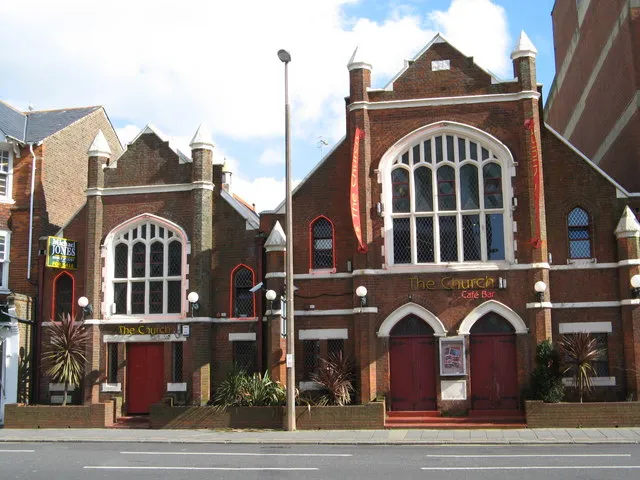
Photo: Josie Campbell , CC BY-SA 2.0, via Wikimedia Commons
Branch closures are often discussed as a matter of nostalgia. For households and small businesses, the more useful question is practical: after the local counter goes, what can still be done in person, how far must you travel, and what happens when the answer is 'not much'? In 2026, access to cash and face-to-face banking in the UK is a patchwork. A postcode audit is a more reliable tool than a branch locator alone.
Build a one-page access map
Start with your postcode, not your bank's brand. List every place within a reasonable journey where you can withdraw cash, deposit cash or cheques, resolve an account problem, or verify identity. That list should include your nearest branch with a counter, the local Post Office, any banking hub, free-to-use ATMs, and retailers offering cashback. Note opening hours, bus routes, parking, step-free access, and whether the service is inside a shop that closes early.
For a small business, add business-specific detail. Can you deposit notes and coin? Are there daily or weekly limits? Is there a cut-off time for same-day processing? Does the Post Office accept your business account, or only personal accounts? A map that works for a personal current account may fail for a shop that takes £2,000 in cash on a Saturday.
The four tests before a branch closes
When a closure is announced, do not rely on a leaflet. Test the replacement services while the branch is still open.
First, run a deposit test. Pay in the sort of cash or cheques you normally handle. Ask about limits, coin bags, paying-in slips, and whether deposits made at a Post Office or hub appear in the app immediately or after a delay.
Second, run a withdrawal test. Check daily ATM limits, whether the machine charges, and whether the Post Office can handle larger withdrawals. For a business, ask how you would obtain change or a till float.
Third, run a service test. Can staff at the replacement location verify ID, update a mandate, discuss a loan, or help with a bereavement or power of attorney? Routine cash handling is not the same as face-to-face advice.
Fourth, run a continuity test. Ask the bank, in writing, what will change on the closure date. Which phone numbers, app functions, and postal addresses will replace the branch? Keep the reply. It is useful evidence if the replacement service does not work as described.
What the Post Office can and cannot do
Post Office counters are the backbone of everyday access for many communities. Under the banking framework, many banks allow customers to withdraw cash, deposit cash and cheques, and check balances. But the details vary by bank and account type. Limits can be lower than at a branch, business banking may be restricted, and complex queries are usually outside the counter's remit.
Before relying on a Post Office, check your own bank's arrangement. Ask whether the service is available for your account, what the daily limits are, and whether you need a paying-in slip. Keep receipts for deposits. If a transaction fails, a receipt is more useful than a recollection.
Banking hubs and shared counters
Banking hubs, delivered through Cash Access UK and supported by major banks, have become an important part of the 2026 access map. They offer a shared counter where customers of different banks can carry out routine transactions, often with community bankers visiting on set days. They are not full branches. Opening hours may be limited, business services may be narrower, and not every bank participates in the same way.
Use a hub as part of the map, not as a blanket solution. Check which banks are served, whether appointments are needed, and whether the hub handles cash deposits for your account. A hub that is excellent for a personal withdrawal may still leave a small business travelling further to deposit takings.
A small-business cash checklist
Cash-heavy firms should treat access as a business continuity issue. Review how often you deposit, how much cash you hold overnight, who carries it, and what insurance covers. Test the replacement deposit route with a realistic amount before the branch closes. Confirm whether weekend banking is available, how coin is handled, and whether there is a safer way to manage till floats.
If the nearest alternative is a long journey, consider whether card payments, bank transfers, or a timed safe would reduce risk. That is not a reason to abandon cash customers. It is a reason to plan for the access you actually have.
When access falls short: the escalation ladder
If cash or deposit access is genuinely inadequate, start with your bank's formal complaint process. Keep a diary of journeys, costs, failed transactions, and time lost. Ask the bank to explain how it has assessed local access under the relevant regulatory rules. If the issue is a missing shared service, contact Cash Access UK or LINK. If the complaint is not resolved, you can take it to the Financial Ombudsman Service after eight weeks or once the bank issues a final response. Local MPs and councillors can also raise patterns of concern, especially where vulnerable residents are affected.
A repeatable postcode checklist
Every six months, repeat the audit: check branch and hub opening hours, confirm Post Office limits, test one deposit and one withdrawal, update the contact list, and review business cash procedures. Save the results in one document. Access can change quietly. A checklist makes the change visible before it becomes a crisis.